


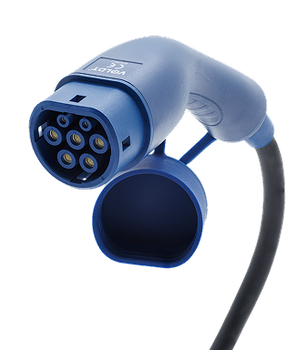

Opel Mokka Electric câble de recharge
Opel Mokka Electric Capacité de charge
Le Opel Mokka Electric a une capacité de charge de 7,4 kW. Nous recommandons donc d’utiliser un câble de charge d’au moins 7,4 kW pour des vitesses de charge optimales.
Cependant, veuillez noter qu’un câble de 22 kW est tout à fait capable de charger à 7,4 kW. Avec un câble de 22 kW, vous êtes assuré de bénéficier de vitesses de charge optimales en cas de nouvelle voiture ou d’une éventuelle mise à niveau de la capacité de charge.


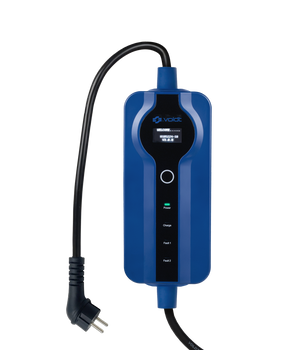
Découvrez le chargeur VE mobile Voldt®
Découvrez le chargeur VE mobile Voldt® pour votre Opel Mokka Electric
- Chargez à pleine vitesse (17 km/h) depuis n'importe quelle prise électrique
- Contrôlez et suivez facilement votre recharge en temps réel via votre smartphone
- Jusqu'à 60% de charge plus rapide sur une prise domestique


Fabriqué en Europe

Résistance minimale

Résistance minimale


Opel Mokka Electric
| capacité de charge | 7.4kW |
| Cuisinière électrique | 406km |
| Phases | 1 Phase |
| Taper | Type 2 |
| Capacité de la batterie | 50.8kWh |
| Temps de charge | 7:35h |
Complétez votre installation de recharge !

Opel Mokka Electric câble de recharge
a une capacité de charge de 7,4 kW. Nous recommandons donc d’utiliser un câble de charge d’au moins 7,4 kW pour des vitesses de charge optimales.

meilleures pratiques de recharge des véhicules électriques
Cependant, veuillez noter qu’un câble de 22 kW est tout à fait capable de charger à 7,4 kW. Avec un câble de 22 kW, vous êtes assuré de bénéficier de vitesses de charge optimales en cas de nouvelle voiture ou d’une éventuelle mise à niveau de la capacité de charge.
Vous n'êtes pas sûr du câble dont vous avez besoin ?

Pour toute question ou demande d'information générale, veuillez laisser vos coordonnées ci-dessous et nous vous répondrons dans les plus brefs délais.
Opel Mokka Electric câble de recharge
Opel Mokka Electric Type de connecteur :
Le Opel Mokka Electric utilise un connecteur de type 2 pour la recharge sur les bornes de recharge, les boîtes murales et les prises de courant. Les câbles de recharge présentés ci-dessus sont tous dotés du connecteur de type 2 correspondant à votre véhicule Opel Mokka Electric.
Opel Mokka Electric Chargement mobile ou fixe :
Le Opel Mokka Electric est mieux rechargée par l'intermédiaire d'une station de charge/boîte murale ou d'une prise murale. Il peut s'agir d'une prise domestique ou d'une prise de courant CEE. L'avantage du chargement via une prise de courant par rapport à une station de chargement/boîte murale est que le coût d'achat est moins élevé. L'avantage de la recharge via une station de recharge/boîte murale est que de nombreuses stations de recharge modernes offrent des fonctions "intelligentes" telles que l'équilibrage de la charge, la surveillance à distance et l'intégration avec des systèmes de gestion de l'énergie. Cela peut être utile pour les ménages et les entreprises.
Opel Mokka Electric Vitesse de chargement :
Le Opel Mokka Electric peut prendre en charge jusqu'à 32A en monophasé. La capacité de charge maximale est donc de 7,4 kW. Si votre source d'alimentation est 16A, comme une prise de courant domestique, cela ne pose pas de problème, mais la vitesse de charge est plus faible.

Découvrez l'autonomie et les capacités de charge de la Opel Mokka Electric
Le Opel Mokka Electricest une voiture dont la batterie a une capacité de 50.8kWh. Cela offre une autonomie WLTP comprise entre 406km , conformément à la norme WLTP. WLTP, qui signifie "Worldwide Harmonised Light Vehicles Test Procedure", est une procédure d'essai internationale normalisée visant à mesurer la consommation de carburant et les émissions des véhicules légers.
Le Opel Mokka Electric est équipé d'un système de charge monophasé de 32A. Cela lui permet de charger à une vitesse de 59km/h. Cela se traduit par un temps de charge complet de 7:35h de 0 à 100 %. Cela est dû à sa capacité de charge maximale de 7,4 kW et à son ampérage maximal de 32 A.
Connecter votre Opel Mokka Electric à une station de recharge ou à une prise de courant
Élément important pour la Opel Mokka Electric , le type de connecteur est celui des propriétaires. La voiture utilise un connecteur de type 2. Ce type de connecteur est parfait pour la recharge à différentes stations de recharge, à des boîtes murales et même à des prises de courant standard. Le choix d'une borne de recharge peut varier en fonction de vos besoins. Une prise domestique standard ou une prise CEE peut s'avérer pratique en raison de son coût d'achat moins élevé. En revanche, de nombreuses bornes de recharge modernes offrent des fonctions "intelligentes" telles que l'équilibrage de la charge, la surveillance à distance et l'intégration avec des systèmes de gestion de l'énergie. Ces fonctions peuvent être bénéfiques tant pour les ménages que pour les entreprises.Pour ceux qui envisagent d'acheter un câble de recharge pour la Opel Mokka Electricou tout simplement à la recherche de plus d'informations sur la meilleure façon de recharger cette voiture électrique, il est essentiel de bien connaître les compatibilités et les spécifications. Avec les détails ci-dessus, vous êtes déjà sur la bonne voie. Lorsque vous recherchez le câble de charge parfait pour votre Opel Mokka Electric dans notre boutique en ligne, vous pouvez vous fier à ces détails pour faire le bon choix.
